
CybertronIT Blog
Cybertron Blog
Cybertron has been serving the Wichita area since 1997, providing IT Support such as technical helpdesk support, computer support, and consulting to small and medium-sized businesses.


Passwords are not as strong as you would hope. They get guessed, stolen in breaches, and phished out of well-meaning employees. Multi-factor authentication is the layer that makes a stolen password far less useful, and it is one of the highest-value security moves a business can make. But not every kind of MFA is equally strong. Here is how it works, which types to choose, and how to roll it out.
0 Comments
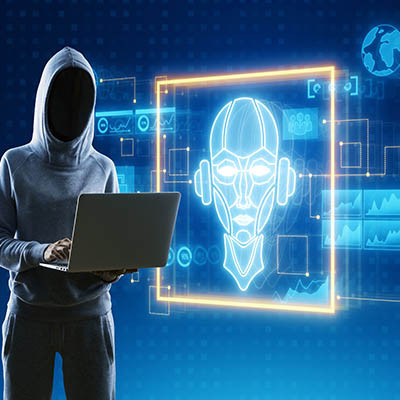
As businesses fold AI into daily work, attackers are learning to turn it against them. The technique is called prompt injection, feeding an AI model carefully crafted input that makes it ignore its rules and do something it should not. It is the same old idea as tricking any system into revealing its secrets, now pointed at the AI tools on your team's desks. Here is how these attacks work and how to keep your AI from becoming a liability.

Customers expect you to protect their data. They also expect doing business with you to be easy. Those two goals can feel like they pull in opposite directions, but they do not have to. The best security is the kind your customers never notice, working in the background while their experience stays smooth. Here is how to protect customer data without putting up walls.
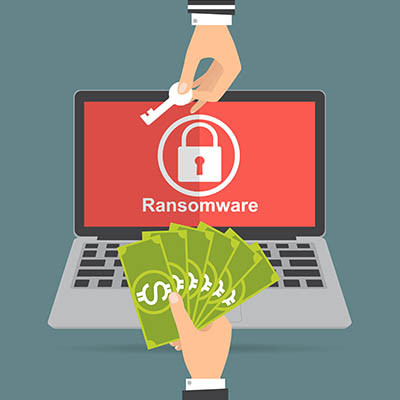
Spend two minutes on any security news site and you will hit a fresh ransomware story. It is everywhere, and it is genuinely scary, but your business does not have to live in fear of it. With the right defenses in place, ransomware goes from an existential threat to a manageable risk. Here is what it is and how to keep it from taking you down.
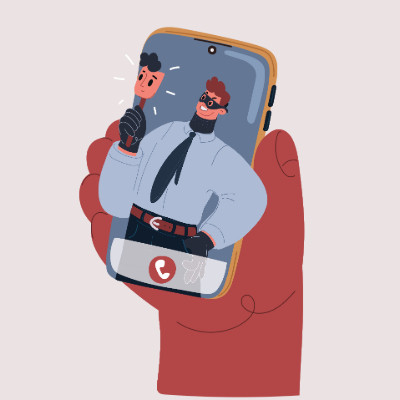
Every business needs IT help now and then, from a small glitch to a full emergency. Scammers know it, and they pose as tech support to prey on exactly that moment. A fake support agent calls or emails claiming something is wrong, then talks a panicked employee into giving up access or money. These tips help your team spot the scam, whether you have IT staff or not.
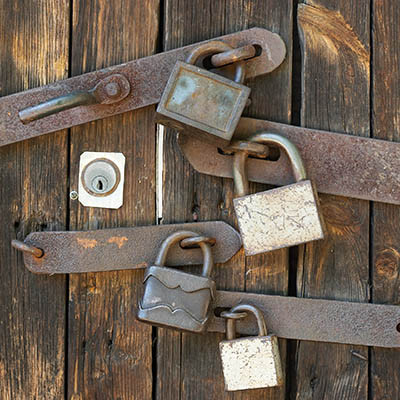
You lock the front door, set the alarm, and keep important papers in a secure cabinet. You do all that to protect your physical assets. Your digital assets deserve the same, and that starts with written rules. Security policies turn good intentions into clear expectations everyone follows, plus a plan to fall back on when something goes wrong. Here are five every business should have.
There are a lot of technology tips worth following, but if we could give a business just one, it would be this: take data security seriously. A breach, a ransomware attack, or a lost laptop can do real financial damage, and most of that risk is closed by a handful of fundamentals. Here are the ones that matter most.
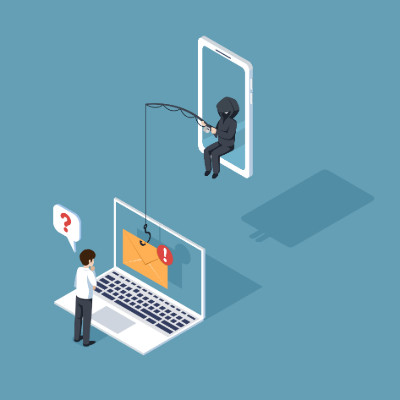
Why do smart, careful people still fall for scams? It is not about intelligence. It is about psychology. Attackers are experts at pulling the mental triggers we all have, and most security training tells you what a scam looks like without explaining why it works. Understanding the why is what makes you genuinely hard to fool. Here are the mind games to watch for.
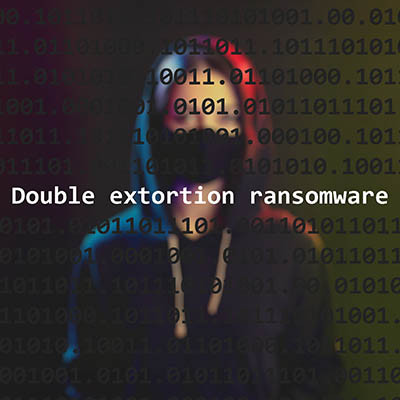
Ransomware is one of the most dangerous threats a business faces, and it has gotten nastier. The old version just locked your files and demanded payment to unlock them. If you had good backups, you could often recover without paying. Attackers adapted. Now they use double and triple extortion to keep the pressure on even when your backups are solid. Here is how those tactics work and what actually stops them.

A business is a lot like a castle. It holds things worth protecting, and it needs defenses built to keep threats out. The mistake many businesses make is relying on a single wall. Real security works in layers, so that if one fails, others still stand. Here is how the pieces of a strong cyber defense map to the parts of a well-built castle.
Hope is a powerful thing. We hope for good health, happy families, and the winning lottery ticket. But hope is a terrible cybersecurity strategy. Everyone hopes they will not be the next data breach, ransomware victim, or phishing casualty, and attackers do not care. They run on opportunity and vulnerability, not luck. The good news is that real protection is not luck either, it is a set of concrete steps. Here is how to turn hope into something that actually defends you.
The more ways into your business, the more ways to get robbed. Every device that touches your network, every login, every app, is another door an attacker can rattle. That collection of doors is your attack surface, and most businesses have far more of them than they realize. Forget one oddball laptop or an old wearable still on the Wi-Fi and that can be the gap someone walks through. The good news is that shrinking the surface is straightforward. Here is a three-step way to do it.
Step One: Know Every Way In
You cannot protect doors you do not know exist. Start with a real inventory of everything that connects to your network. Laptops, phones, servers, printers, cameras, smart gadgets, and the cloud accounts and apps your people log into. Most businesses are surprised by how long this list gets. Old test devices, a former employee's login that was never shut off, an app someone signed up for two years ago. Each forgotten one is an open door nobody is watching.
Step Two: Lock the Doors You Keep
Once you can see the surface, start cutting it down. Turn off accounts and devices nobody uses. Remove software your team does not need. For everything that stays, lock it properly: strong, unique passwords, multifactor authentication on every account that offers it, and current patches so known holes are closed. The principle is simple. People and systems should have access to what they need to do their job, and nothing more. Fewer open doors, fewer ways to get hit.
Step Three: Train the People
Your biggest part of the attack surface is not a device. It is your team. Most breaches still start with a person, a clicked link, a convincing fake email, a password reused from a site that got hacked. All the locks in the world do not help if someone props the door open. Regular, plain training on how to spot a phishing attempt and what to do when something looks off turns your people from the weakest link into the first line of defense.
Smaller Surface, Bigger Sleep
You are never going to get the attack surface to zero, and you do not need to. The goal is to cut it down to what you actually use, lock what remains, and keep your people sharp. Do that and you have closed most of the doors before anyone comes knocking.
We do this work for businesses as part of managed cybersecurity, finding the forgotten doors, locking the ones that matter, and training the team that uses them. If you have no idea how many ways into your business are sitting open right now, book a call and we will help you map it.

In June 2025 a headline went around that should have stopped anyone cold: 16 billion passwords leaked, with a b, covering social media, VPNs, corporate tools, and just about every online service you can name. The number got repeated everywhere, usually with the phrase largest breach in history attached. It is a great scary story. It is also not quite what happened. The real version matters, because the wrong takeaway leaves you focused on the wrong threat.
Was It Really 16 Billion?
Here is what actually occurred. Researchers at Cybernews found roughly 30 exposed datasets holding about 16 billion login records in total. The catch is that this was not one giant new break-in. It was a pile of credentials gathered over time, mostly by infostealer malware that quietly harvests logins off infected computers, mixed in with data from older breaches. There is heavy overlap and duplication, so the same login can be counted many times. So 16 billion unique brand-new passwords? No. 16 billion records swept together from countless smaller thefts? Closer to it.
Why the Fact-Twisting Is Its Own Problem
You might think a scarier headline is fine if it gets people to pay attention. It backfires. When the number turns out to be inflated, people decide the whole thing was hype and tune out the next warning, including the real ones. And a one-time mega-breach framing points you at the wrong fix. This was not a single event you wait out. It is a steady drip of credential theft happening every week, which calls for habits, not a panic.
What Exposed Credentials Actually Cost a Business
Whatever the headline number, the danger is real. One working username and password can hand an attacker the keys. That leads to drained accounts and fraud, the reputational hit of telling customers their data leaked, downtime while you lock everything back down, legal and compliance exposure if regulated data was involved, and real harm to the customers whose information you were trusted to hold. The credential is small. The blast radius is not.
How to Actually Protect Your Business
Because this is a steady threat rather than a single event, the defense is steady too. Use multifactor authentication everywhere it is offered, so a stolen password alone is not enough to get in. Stop reusing passwords across accounts, and use a password manager so unique ones are realistic. Watch for credentials of yours showing up in known leaks so you can change them before they are used. And keep machines clean and patched, because infostealer malware is how most of these credentials get grabbed in the first place.
We handle exactly this for businesses as part of managed cybersecurity: enforcing multifactor, monitoring for leaked credentials, and keeping the malware that steals them off your systems. If you are not sure how many of your logins are already floating around out there, book a call and we will help you find out and lock things down.

Cybersecurity has a marketing problem. When it works, nothing happens, and nothing is hard to appreciate. There is no headline for the breach you avoided, no thank-you note for the ransomware that never hit. So it is easy to treat security as a cost you could trim, right up until the day it is the only thing between you and a closed business. The whole point is the disaster you never have to live through. Here is what is actually at stake.
You Are a Target, Whether You Believe It or Not
The most expensive assumption a small business makes is we are too small to bother with. Attackers do not hand-pick targets the way you might imagine. Much of it is automated, scanning the whole internet for any system with a weakness, and your size does not register. A smaller business with thinner defenses is often an easier score than a big one with a security team. Being overlooked is not a strategy. It is a coin flip you keep calling.
A Breach Brings the Regulators
If attackers get to sensitive data, customer records, payment details, health or financial information, the damage does not stop at cleanup. Depending on what you hold and what rules apply to you, a breach can trigger reporting obligations, investigations, and penalties. You end up paying for the incident and then paying again for the fallout. Prevention is a lot cheaper than a regulatory problem with your name on it.
Downtime Hits Everything at Once
An attack does not just expose data. It stops you working. Systems get locked, files get encrypted, and your team sits idle while you scramble to recover. Every hour down is revenue you do not earn, customers you cannot serve, and trust you have to win back later. For a lot of businesses, a long enough outage is the thing they never fully recover from.
Buy the Quiet
Real security is layered and ongoing, not a product you buy once. Monitoring that catches trouble early, patches applied before attackers find the holes, backups you have actually tested, and people trained to spot the tricks. None of it is flashy. All of it is the difference between a quiet year and a catastrophic one. The best money you spend on security is the money that buys you a year where nothing happened.
That quiet is what we sell. We handle layered cybersecurity for businesses, and where regulated data is involved we help with the compliance side too. If you are not sure your defenses would hold, the time to find out is before an attacker does. Book a call and we will take a look.
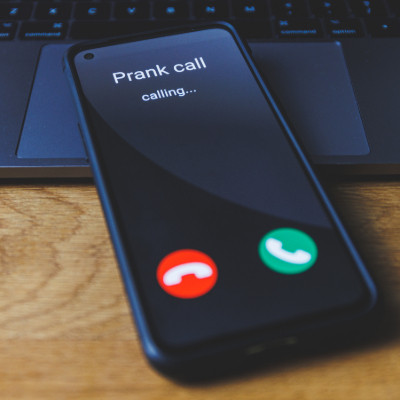
Every so often a very public moment shows exactly why basic security matters everywhere, not just in IT departments. The 2025 NFL Draft was one of those moments. Several prospects got prank calls during the draft, and one in particular is a clean lesson for any business. Let us walk through it.
It Started With an Unlocked Tablet
Quarterback Shedeur Sanders received a prank call live on stream from someone impersonating an NFL general manager. How did the caller get his private draft number? It was found on an unlocked iPad at a coach's home, jotted down by a family member, and used for the prank. The NFL took it seriously, fining the team 250,000 dollars and the coach 100,000. One device left unlocked, one number left visible, and it became a national story with real consequences.
Why This Is a Business Problem Too
Swap the iPad for a laptop and the phone number for a client list, a password, or a wire instruction, and this is a Tuesday at a lot of companies. The exact same chain of small failures plays out in offices constantly. Three lessons stand out.
Limit Who Can See What
This is the principle of least privilege: people, and devices, should only have access to the information they actually need. That sensitive number should never have been sitting in the open on a device a visitor could pick up. In your business, the fewer people and screens that can reach your sensitive data, the smaller the chance it walks out the door by accident.
Lock Things Down
An unlocked device is an open filing cabinet. Screens should lock automatically, accounts should require real authentication, and sensitive systems should sit behind multifactor authentication so a glance over someone's shoulder is not enough to get in. Simple habits, enforced consistently, close the door this whole incident walked through.
Recognize Impersonation for What It Is
The call worked because someone pretended to be a person of authority. That is social engineering, the same trick behind most phishing, and it does not only come by email. It is the fake call from the bank, the urgent text from the boss, the message from a vendor that is not really the vendor. Train your people to verify before they act, especially when a request is urgent or involves money or data.
Avoid the Same Mistake
A prank during a football draft is harmless compared to what the same lapses cost a business: a drained account, a data breach, a lost client. The fixes are not complicated. Limit access, lock devices, verify identities. The hard part is doing them consistently, which is where most organizations slip.
That consistency is what we provide. We build least privilege, strong authentication, and phishing awareness into how our clients operate as part of managed cybersecurity, so a small lapse does not turn into a headline. If you want to make sure your unlocked-iPad moment never happens, book a call.
Kurt Vonnegut once called new knowledge "the most valuable commodity on earth." Twenty-first century business has taken him at his word. As the internet grew, so did the number of companies collecting data and the market for selling it. Some of the largest, most profitable companies in the world, names like Google, Apple, Amazon, Microsoft, Meta, and the big telecoms, make enormous sums not just from products but from data. Whether or not data is a commodity, one thing is clear for your business: it is an asset, and assets need protecting.
Why Data Is Worth So Much
Data gets collected, bought, and sold every year, and it is big business. Consider that a company like Meta earns tens of billions in profit annually, the vast majority of it from advertising built on what it knows about its users. That is the clearest possible signal of how valuable data has become. If having people's data is worth that much to the giants, it tells you something about the value of the data sitting in your own systems, your customer records, your financials, your operations.
Valuable to You Means Valuable to Attackers
Here is the flip side. Anything that valuable is a target. Attackers want your data because they can sell it, ransom it, or use it to impersonate you and your customers. Phishing remains one of the most common ways they go after it, and it is a frequent delivery method for malware and ransomware. The same data that gives your business an edge becomes a liability the moment it is not protected, which is exactly why treating it like the asset it is matters so much.
How to Protect the Asset
Protecting your data is not one product. It is a layered, ongoing effort: keeping systems patched so known holes stay closed, requiring strong authentication so a stolen password is not enough, backing your data up so it survives an attack or a failure, and training your people to spot the tricks that target it. Behind all of that, real protection means someone watching your network and infrastructure around the clock, so threats get caught early instead of after the damage is done.
That is the work we do. We treat our clients' data like the asset it is, with layered, around-the-clock cybersecurity built to keep it safe and recoverable. If your business runs on data, and every business does now, book a call and we will make sure it is protected like the asset it is.
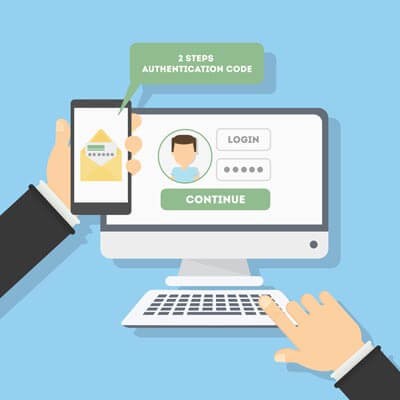
The password is not the protection it once was. Attackers now use software that guesses thousands of passwords a second, brute-forcing their way into accounts faster than ever, and they buy stolen passwords by the millions from old breaches. Relying on a password alone to guard your business is a losing bet. The fix is two-part: better passwords, and a second factor behind them. Here is how to do both.
Start With Better Passwords
Passwords still matter, so get them right. A strong one is long and complex, a mix of letters, numbers, and symbols, and not a word or date anyone could guess. Just as important, every account needs its own unique password. Reusing one across sites means a single breach hands attackers the keys to everything. Nobody can remember dozens of strong, unique passwords, which is exactly what a password manager is for. It generates and stores them so you only have to remember one.
Then Add a Second Factor
Here is the part that changes the game. Two-factor authentication, also called multifactor authentication, requires a second piece of proof beyond your password, usually a code from your phone or an app. The beauty of it is simple: even if an attacker steals or guesses your password, they still cannot get in without that second factor sitting in your pocket. It turns a stolen password from a disaster into a non-event, and it blocks the overwhelming majority of account-based attacks.
Turn It On Everywhere
The good news is that two-factor authentication is widely available and usually free. Most email, banking, and business apps support it, you just have to switch it on. The few extra seconds it adds to a login are nothing compared to the cleanup after a compromised account. Turn it on everywhere it is offered, starting with email and anything that touches money or sensitive data.
The Easiest Big Win in Security
Of all the things you can do to protect your business, combining strong, unique passwords with two-factor authentication is one of the cheapest and most effective. It closes off the single most common way attackers get in. If you have not turned it on across your accounts yet, that is the move to make this week.
We help businesses roll out strong authentication everywhere it counts, the right way, as part of managed cybersecurity, so it actually gets used instead of skipped. If you want to lock down your accounts before someone tests them, book a call.
Data security is not something to take lightly, as plenty of businesses have learned the hard way. The frustrating part is how many serious breaches trace back to simple, fixable mistakes. They are common enough that not fixing them is genuinely foolish. Let us look at one of the most infamous failures in modern history, then at the handful of fixes that would have prevented it, and most others like it.
The Equifax Disaster
Between May and July of 2017, the credit reporting giant Equifax suffered a breach that exposed roughly 148 million records packed with the most sensitive personal and financial data imaginable. What makes it a cautionary tale rather than just a tragedy is the cause. Attackers got in through a known vulnerability in a piece of software Equifax used, one that already had a patch available. The fix existed. It just had not been applied. A company with the resources to do anything left a documented, patchable hole open, and 148 million people paid for it.
How to Avoid the Same Fate
The Equifax story points straight at the fixes, and they are not exotic.
Patch known vulnerabilities promptly. This is the big one. Industry research has long found that the overwhelming majority of exploited vulnerabilities, by some counts around 99 percent, were already known, with fixes available, when the attack happened. Attackers are not mostly using secret zero-day exploits. They are walking through doors you forgot to lock. Keeping software patched on a schedule closes most of them.
Require multifactor authentication. A stolen password is only useful if it is enough to get in. Multifactor authentication means it is not, blocking the vast majority of account-based attacks for very little effort.
Limit access. Give people and systems access only to what they need. When something does get compromised, tight access controls keep the damage contained instead of company-wide.
Bring Your Employees Along
The last piece is your people. Most attacks still start by tricking a person, so a team that can spot a phishing email and knows to verify unusual requests is one of your strongest defenses. Train them, make security part of how things are done, and they go from your weakest point to your first line.
None of this is complicated. The hard part is doing it consistently, which is exactly what falls through the cracks in a busy business. We keep systems patched, accounts protected, and teams trained as part of managed cybersecurity, so the known holes get closed before anyone finds them. If you would rather not become the next headline, book a call.

© 2026 CybertronIT. All rights reserved.Privacy Policy · Sitemap