
CybertronIT Blog
Cybertron Blog
Cybertron has been serving the Wichita area since 1997, providing IT Support such as technical helpdesk support, computer support, and consulting to small and medium-sized businesses.


Cloud computing has changed how teams work together, especially when they are not in the same room. By putting documents, projects, and communication on a shared, accessible platform, the cloud removes a lot of the friction that used to slow collaboration down. Tools like Microsoft 365 and Google Workspace are built around this. Here are four ways the cloud makes teamwork easier.
0 Comments

Before you put money into new technology, the fair question is whether it will actually pay for itself. That is what return on investment, or ROI, measures, the value you get back compared to what you spend. Here is how to figure out whether a technology investment is worth it, and what to do when the answer is not obvious.

AI has changed how businesses run, and customer support is one of the first places companies point it. For simple, repetitive questions, it is genuinely useful. But there is a line where leaning on AI starts costing you the very thing support exists to build, customer loyalty. Here is where AI helps, where it hurts, and why the human element still matters.

Every business needs IT help now and then, from a small glitch to a full emergency. Scammers know it, and they pose as tech support to prey on exactly that moment. A fake support agent calls or emails claiming something is wrong, then talks a panicked employee into giving up access or money. These tips help your team spot the scam, whether you have IT staff or not.

Most business leaders just want their technology to work, reliably, in the background, without demanding their attention. That "it just works" feeling is not luck. It is what a well-run, managed IT setup is built to deliver. The gap between that and the constant fire drill most businesses live with comes down to whether IT is treated as something to fix or something to manage. Here is the difference.

You lock the front door, set the alarm, and keep important papers in a secure cabinet. You do all that to protect your physical assets. Your digital assets deserve the same, and that starts with written rules. Security policies turn good intentions into clear expectations everyone follows, plus a plan to fall back on when something goes wrong. Here are five every business should have.

Taking real time off should not feel impossible, but for a lot of business owners and their teams it does. You end up checking email from the beach because you are the only one who knows how something works, or because everything routes through you. The fix is not willpower, it is setting the business up so it runs while people recharge. Here is how.

Data gets called the new currency, but a lot of businesses are sitting on a pile of it they cannot actually spend. You pay to store it and protect it, yet it does little for you. That makes it a cost, a liability, rather than the asset it should be. Here is why that happens and how to turn your data into something useful.

Are you making technology decisions one at a time, picking things that sound good and hoping it all adds up? Plenty of businesses run this way, and it usually costs them. There is a better approach, an IT roadmap that ties your technology to where the business is actually going. Here is what a good one does and why it is worth the effort.

Business owners hire people for all kinds of work, yet many still feel they have to handle their own technology, or keep it in-house on the side of someone's desk. The instinct makes sense. IT matters, so it feels like something to keep close. But in practice, the owner is usually the wrong person to be running it. Here is why handing IT to a dedicated team beats doing it yourself.

You are mid-presentation and your screen freezes, or your CRM goes down during your busiest sales hour. The first instinct is to panic, hit every button, and call everyone at once. It is understandable, but it usually makes the problem worse. A calm, measured response almost always resolves an IT issue faster and cheaper than a frantic one. Here is why, and how to keep your head when something breaks.

Almost every office runs on the internet, and how well it works comes down largely to bandwidth, plus your network's ability to actually use what your provider delivers. The labels confuse a lot of people, so here is what bandwidth really means and how to get the most from your connection.

A cluttered workspace tends to make for a cluttered mind. Whether you work from home or in an office, keeping your desk organized has a real effect on focus, stress, and even creativity. It is not about appearances. It is about an environment where you can actually do your best work. Here are five simple habits that keep a workspace working for you.

When someone on your team asks for a faster laptop or a second monitor, you want to say yes, but there is usually a quiet voice asking whether it is money well spent. It is a fair question. Hardware is an investment, and the way to answer it is to look at what the old equipment is actually costing you. Here is how to tell whether an upgrade pays off.

There is a particular frustration in not knowing whether your IT spending is doing anything. You know what you are paying for, but that is different from knowing how it moves the business. Usually the problem is not the spending, it is the communication around it. Here is how to turn IT from a budget black hole into something you can actually understand and direct.
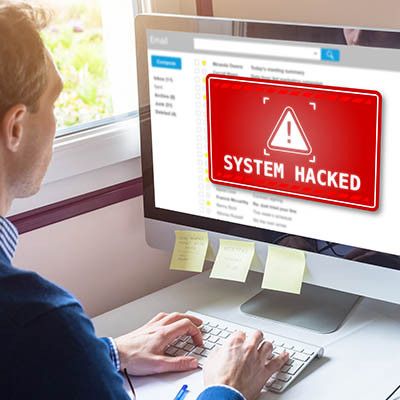
When people picture a cyberattack, they think of a ransom demand. The ransom is often the smallest part. The real bill includes downtime, investigation, legal fallout, lost customers, and damage that lingers for years. By IBM's 2025 Cost of a Data Breach report, the global average breach now costs 4.44 million dollars, and in the United States the average hit a record 10.22 million. Here is where all that money actually goes.

Businesses look everywhere to trim costs, but printing rarely makes the list, even though paper, ink, and toner add up fast. Beyond the money, paper is slower to find, easier to lose, and harder to secure than a digital file. The good news is that a few common tools can cut your paper use sharply, or eliminate it. Here are three that make the biggest difference.

The daily grind of running a business can feel relentless. Overflowing inboxes, endless task lists, information scattered across a dozen apps, and the constant switching between them. None of it is the actual work, and all of it eats the day. The good news is that most of this drain is fixable with the right setup. Here is how to claw back the time the small stuff steals.

One of the biggest reasons businesses move workloads to the cloud is scalability, the ability to add or remove computing resources as your needs change. Instead of buying and maintaining enough hardware for your busiest possible day and letting it sit idle the rest of the time, you adjust on demand. Here is how cloud scalability works and where it pays off.

There are a lot of technology tips worth following, but if we could give a business just one, it would be this: take data security seriously. A breach, a ransomware attack, or a lost laptop can do real financial damage, and most of that risk is closed by a handful of fundamentals. Here are the ones that matter most.

© 2026 CybertronIT. All rights reserved.Privacy Policy · Sitemap